Winter on Long Island brings snow, sleet, freezing rain, and sudden temperature swings that can make student transportation challenging. Reliable long island school bus services know that safety and punctuality depend on preparation, skilled drivers, and clear communication. Below are the practical steps bus providers take to keep students safe and schools running during winter storms.
Driver training and performance
- Winter defensive driving: Drivers complete specialized training focused on winter conditions — controlling skids, brake management on ice, safe speeds for low-traction surfaces, and choosing safe stopping zones.
- Route familiarization: Drivers are trained on the exact roads and pickup points used in their runs so they can judge microclimates (bridges, shaded areas, coastal roads) and adapt when conditions change.
- Ongoing coaching and testing: Regular performance reviews and refresher sessions help drivers maintain best practices in stress and fatigue management during extended winter operations.
Winterized fleets and vehicle maintenance
- Cold-weather inspections: Buses receive pre-season and ongoing inspections for brakes, batteries, heating systems, defrosters, wipers, and tires. Preventive maintenance reduces breakdowns in freezing weather.
- Appropriate tires and traction aids: Many operators use winter-rated tires or higher-tread tires and carry sand or traction mats for low-traction situations.
- Fluid and system prep: Antifreeze, low-temperature fuel additives where needed, and properly functioning heaters/defrosters ensure buses start reliably and keep passengers warm.
- Emergency equipment on board: Buses are stocked with first-aid kits, blankets, flashlights, basic tools, and reflective cones so drivers can respond to an unexpected stop safely.
Proactive route planning and operations
- Dynamic route adjustments: Dispatch teams monitor forecasts and road conditions to alter routes proactively—avoiding untreated hills, flooded low spots, or roads closed by public works.
- Staggered and consolidated runs: In heavy storms, services may consolidate routes, delay start times, or coordinate staggered pickups to reduce risk and maintain reliability.
- Coordination with local authorities: Good providers stay in touch with county and town highway departments to learn which roads are being prioritized for plowing and treatment.
- Weather windows and contingency plans: Predefined thresholds (e.g., ice alerts or certain snowfall levels) trigger contingency plans so decisions are consistent and transparent.
Communication that parents and schools can trust
- Multi-channel alerts: Text messages, phone calls, email, and web updates keep parents and school administrators informed of delays, cancellations, or route changes.
- Real-time tracking and updates: GPS tracking and live dispatch updates allow operators to provide accurate ETAs and reassurances during disruptions.
- Clear policies and expectations: Published guidance on pickup/drop-off modifications, delayed openings, and emergency procedures reduces confusion when weather changes quickly.
Safety protocols at pickup and drop-off
- Safe waiting areas: Drivers are instructed to choose well-lit, shoveled, and cleared pickup points where possible rather than stopping in road shoulders during storms.
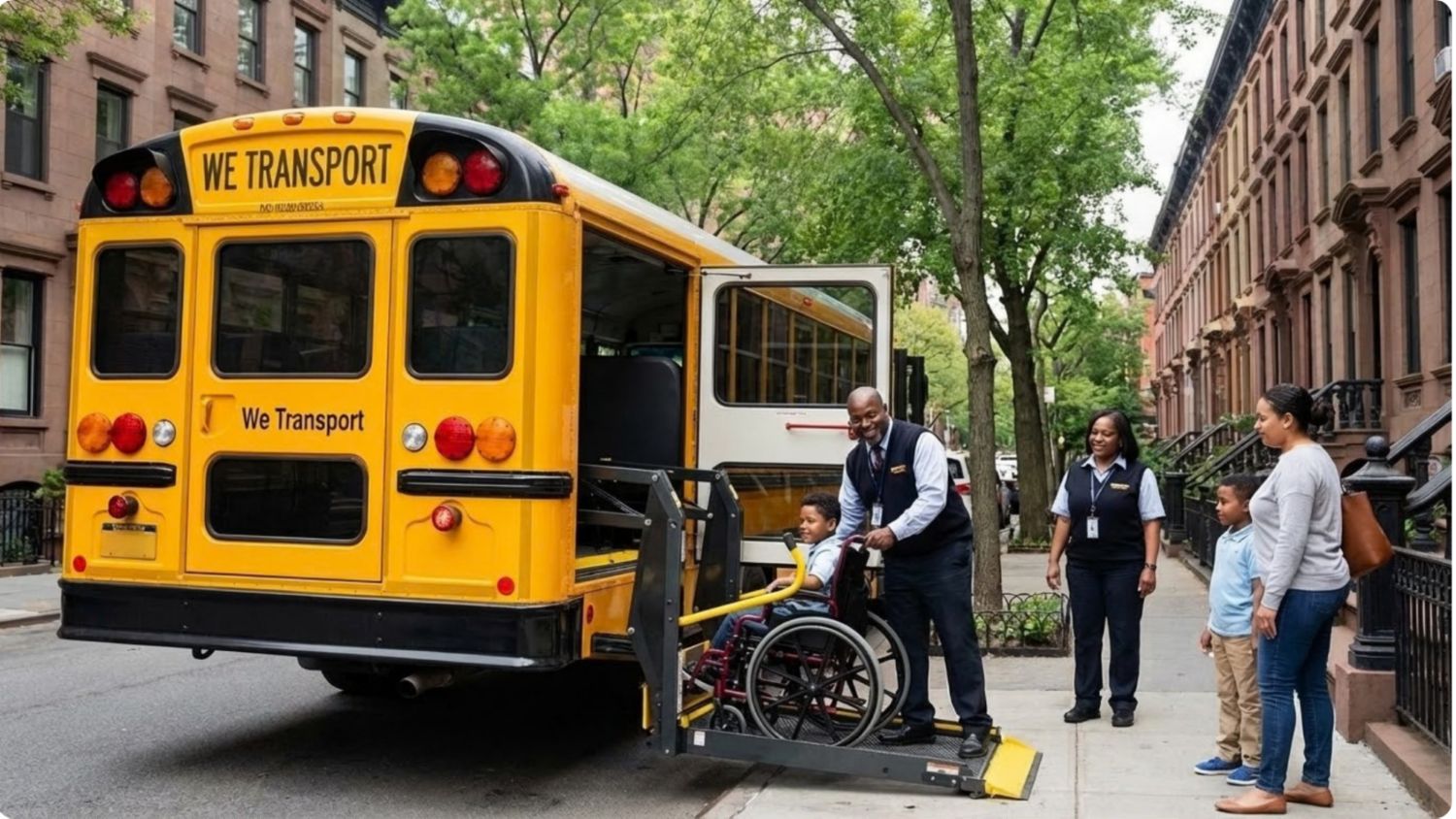
- Boarding and disembarking procedures: Extra care is taken on icy steps and platforms; drivers supervise students closely and use handrails and sanded areas whenever available.
- Reduced speed and increased spacing: In winter conditions, buses travel at reduced speeds with greater following distances to allow for longer stopping distances on slick roads.
Preparing students and families
- Dressing for conditions: Encourage parents to dress children in layers, waterproof outerwear, hats, gloves, and boots. Small backpacks that don’t obstruct movement make boarding safer.
- Arriving early: Parents are asked to have children ready earlier than usual during winter to avoid last-minute rushing near slippery roadways.
- Emergency contact info: Keep contact and pickup-authorized person lists up to date so drivers and dispatch can make timely decisions if plans change.
How WE Transport supports Long Island schools
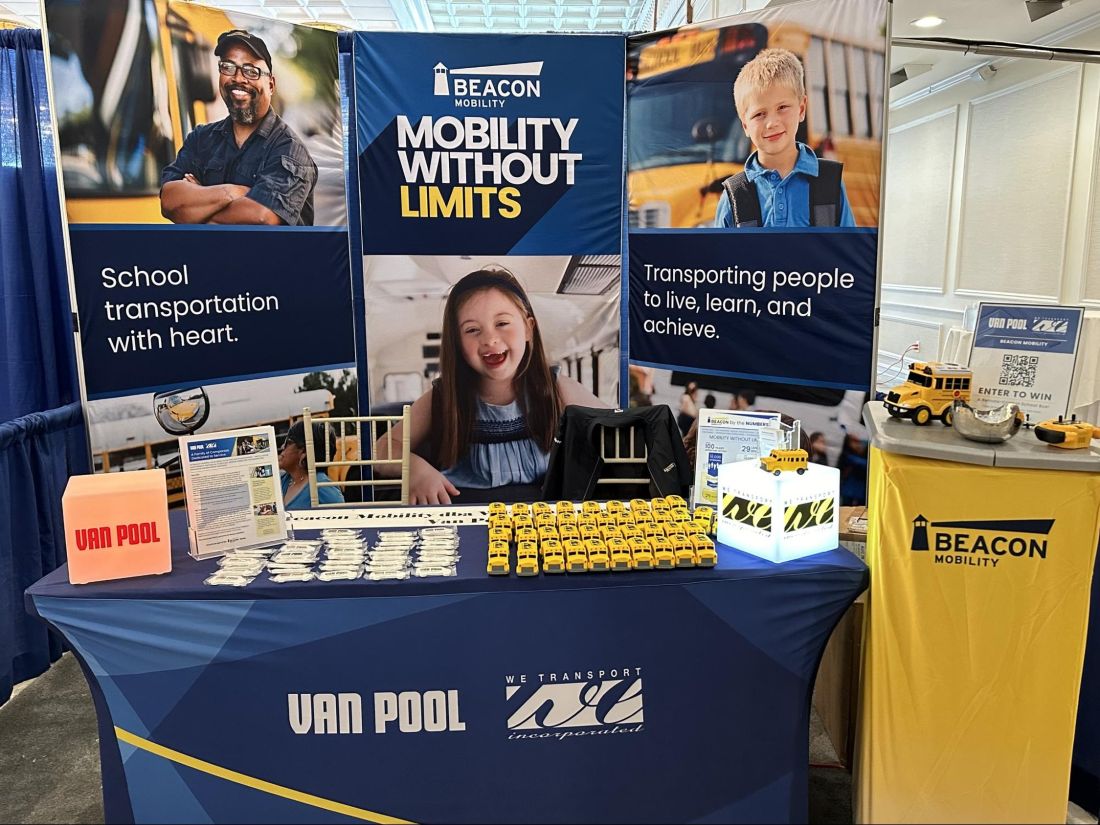
WE Transport specializes in long island school bus services designed for the region’s winter challenges. Our teams emphasize driver training, vehicle winterization, and proactive route and communications planning to minimize delays and maximize student safety. If you want to learn how our school transportation solutions can support your district, school, or private organization:
- Call us today at (516) 349-8200 to discuss your needs.
- Fill out our quick quote form to request a free estimate.
Reliable transportation during snow, ice, and freezing temperatures comes down to preparation, skilled staff, and clear communication. With the right long island school bus services in place, schools can keep students safe and maintain service continuity even in challenging winter weather.